


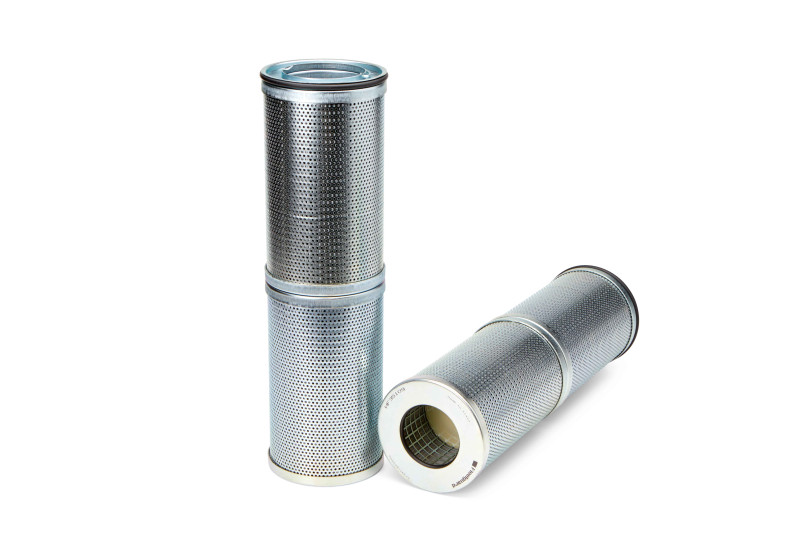
Hydraulic Filtration
The Importance of Hydraulic Filtration
Mobile Hydraulics: Hydraulic systems, in other words fluid power systems, are used in many equipment. While power steering, transmission and other simple systems are used in trucks and buses, more complex systems are used in agriculture, construction, marine and mining applications. The hydraulic system produces fluid power by receiving rotational force from the engine with the help of a hydraulic pump. This fluid power is used to operate hydraulic foot and other motors.
Industrial Hydraulics: Used in hydraulic applications in paper and steel mills and other similar facilities.
These systems contain parts that are very sensitive to wear. Contaminants can enter the system from different sources.
*Sourced from the production of systems and parts.
*The quality and cleanliness of the hydraulic fluid used and the contaminants introduced during the filling process.
*Pollutants leaking into the system when the feet and rollers enter the dusty environment and the tank holes are insufficient.
*Abrasive particles created by the system.
If the system becomes dirty, it must be cleaned through different filters. The performance characteristics of these filters vary depending on their location in the system.
Suction Filters - located at the inlet of the main pump and provide overall protection. If the filter is clogged or its efficiency is low, pump failure may occur.
Return Line Filters – these low pressure filters return oil to the reserve.It captures particles in the working parts of the system.
Pressure Filters - after the main pump and before and protecting sensitive parts such as the main valve. These filters control the entire system pressure.
Off-Line Filters - although they do not provide direct protection to the system and its components, remotely installed filters can be used to filter hydraulic fluid after certain situations or when high amounts of contaminants are present.
In order to get optimum performance from the filter, the replacement must be done correctly.
Good filtration reduces unplanned downtime, which can result in large costs in terms of both repairs and equipment loss.